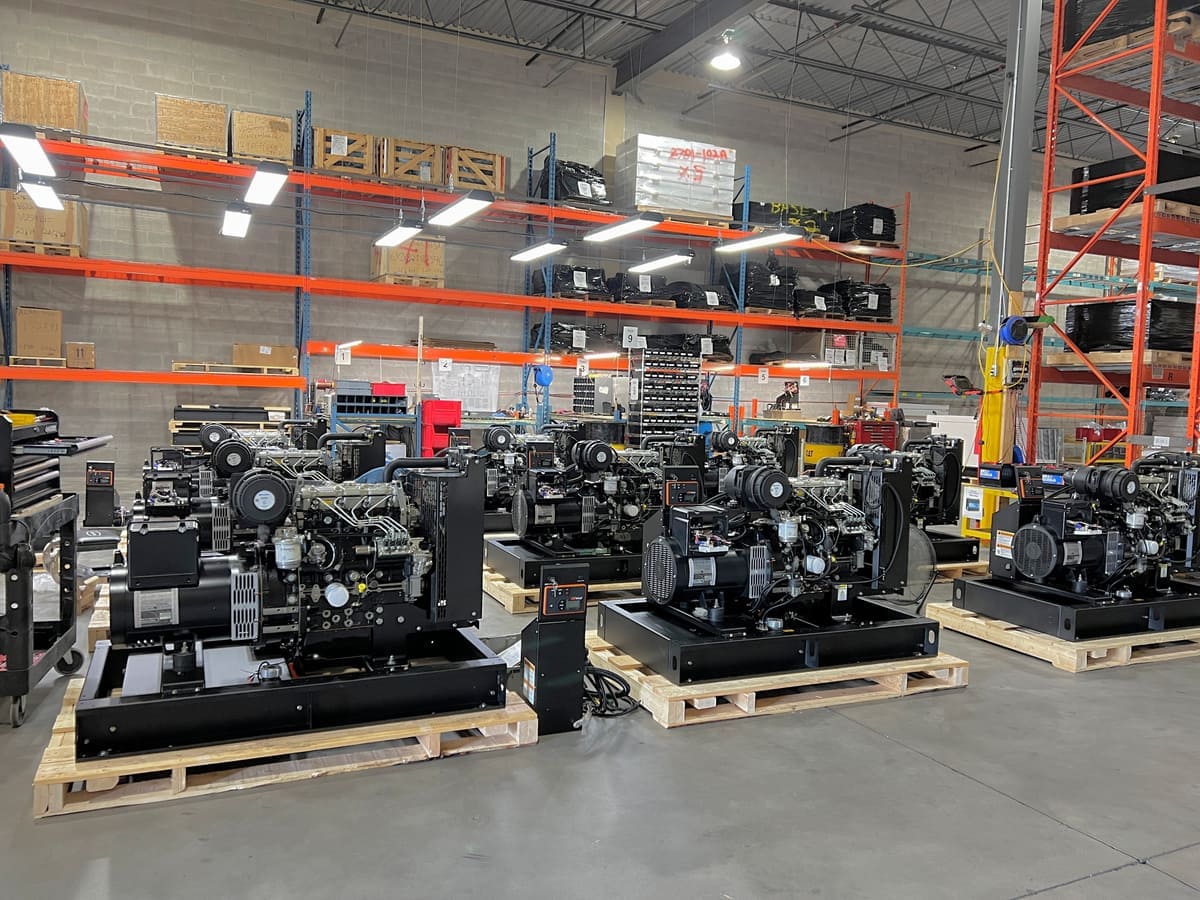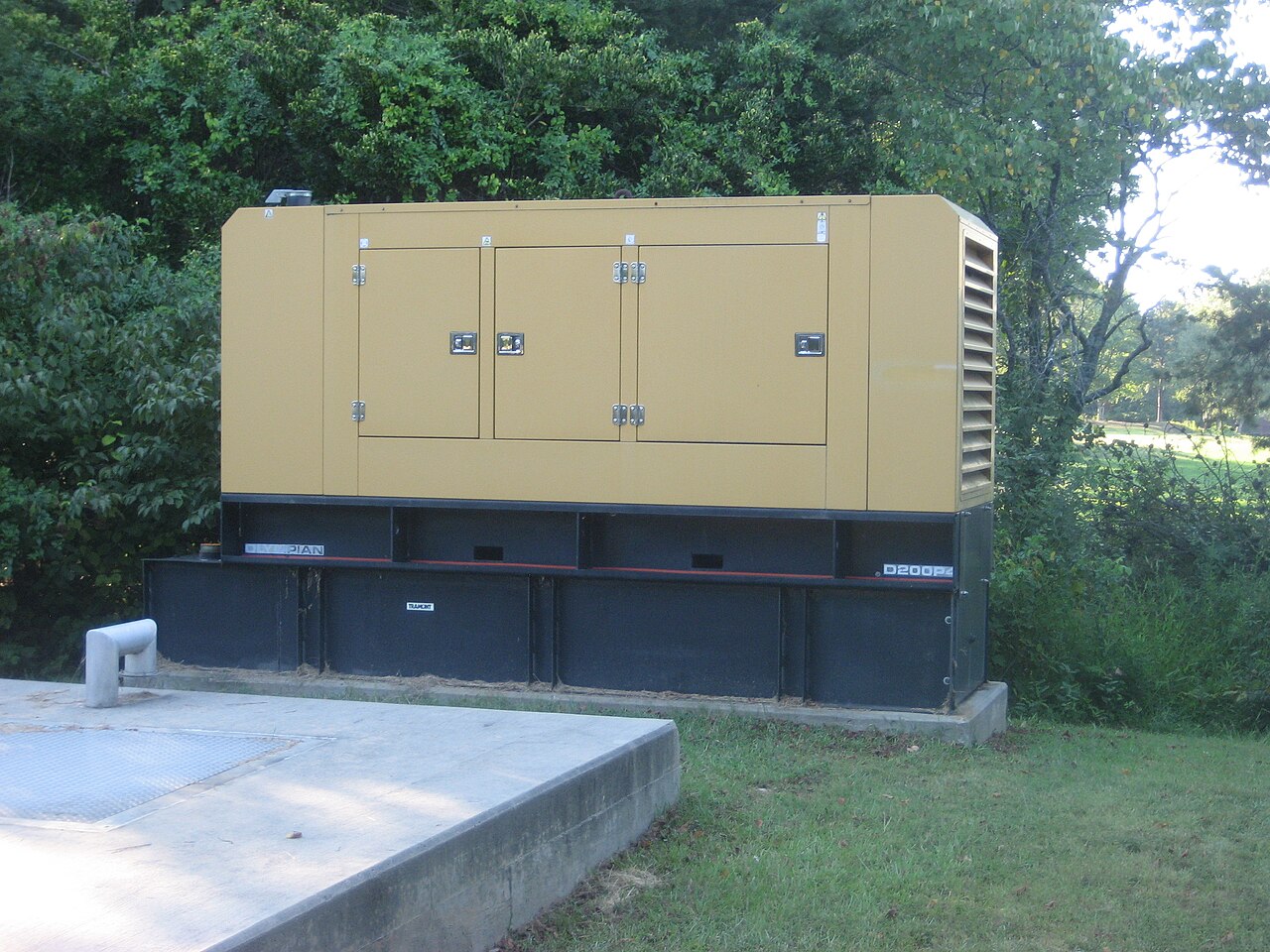
A standby generator can restore power after a utility failure without preventing the interruption that occurs before it takes the load. That difference matters when a production line contains controls, computers and motors with different responses to a loss of supply.
Switching and stored energy do different jobs
An automatic transfer switch, or ATS, monitors sources and transfers a connected load according to its control sequence. The switch itself does not store the energy needed to operate the load while both sources are unavailable.
The Cummins transfer-switch application manual explains that transfer equipment may be supplemented by a UPS where uninterrupted power is needed. It also distinguishes closed-transition transfer between available sources from the response to a failed source. A smooth planned transfer is not proof of uninterrupted operation during an unplanned utility outage.
Define the protected load
A UPS uses stored energy and power electronics to support its connected load. Eaton’s overview distinguishes standby, line-interactive and online topologies. Transfer characteristics and conditioning behavior depend on the selected design, so a generic UPS label is insufficient.
Specify the load, acceptable interruption and required support time together. A control cabinet that must preserve a process state may need a different solution from a large motor that can stop and restart in a controlled sequence. Battery runtime must be evaluated at the intended load and relevant battery condition.
| Design question | Evidence to obtain |
|---|---|
| What must remain energized? | A named protected-load schedule |
| How much interruption is acceptable? | Equipment requirements and process consequences |
| How long must support last? | Start, source-acceptance and transfer sequence, including contingencies |
| What happens after restoration? | Load sequencing and UPS recharge behavior |
Test the system boundary
Ask the electrical designer to review the generator and UPS together, including input characteristics, load steps and recharge demand. A generator power rating alone does not establish compatibility with every UPS or production load.
An acceptance test should record what the protected equipment actually experiences during the agreed failure and restoration scenarios. Include the control response and recovery sequence, rather than checking only that the engine starts or the ATS indicates generator supply.
The useful procurement outcome is a defined continuity requirement with a demonstrated response. That makes the ATS, generator and UPS parts of one operating plan.