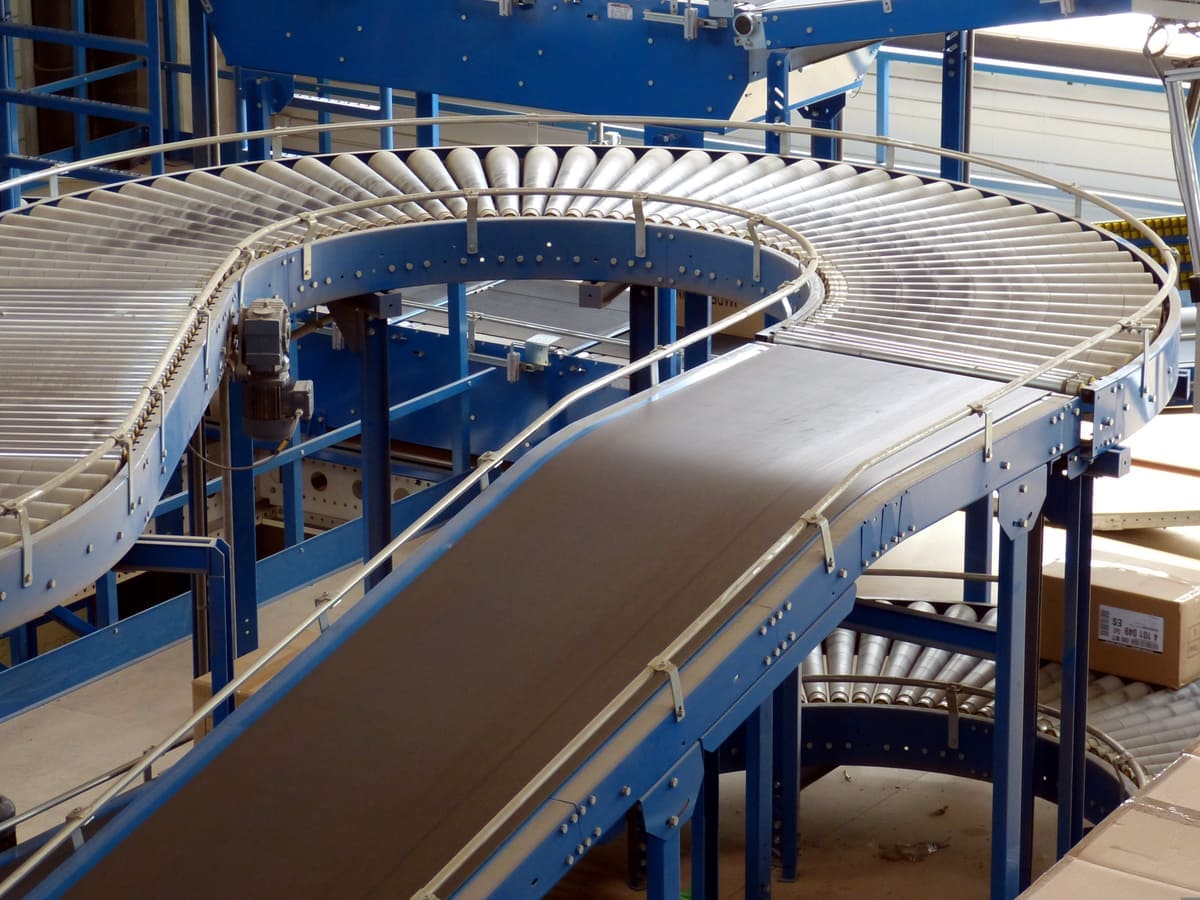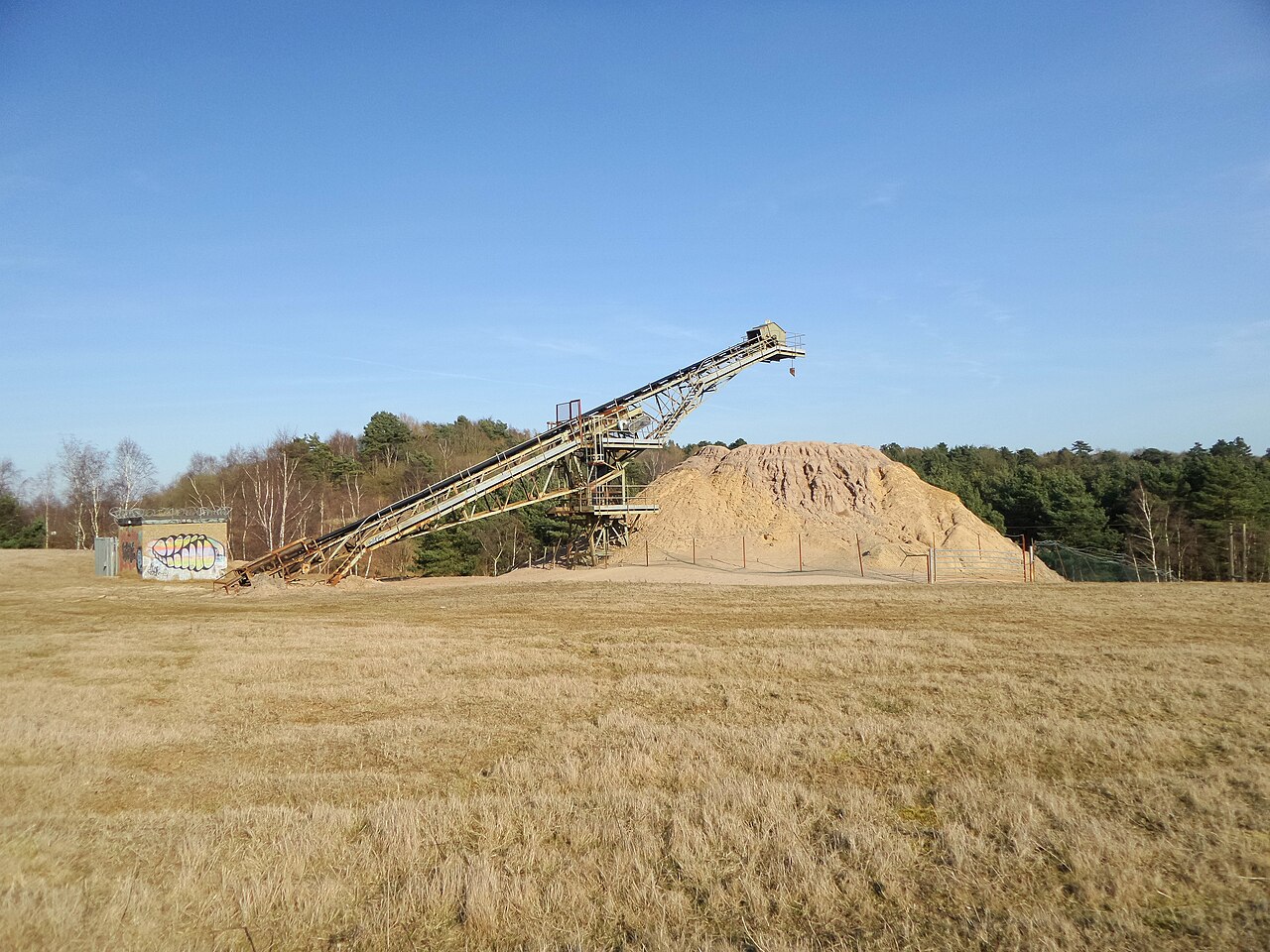
A conveyor that repeatedly needs tracking adjustment may be showing a recurring process or mechanical fault. Before moving another idler, identify when the belt starts drifting, where the change first appears and whether the pattern follows the belt or the structure.
Give the symptom a location and a rhythm
Compare observations at equivalent operating conditions. Does the belt run centrally when empty but drift after material arrives? Does the sideways movement repeat with each belt circuit? Does it begin downstream of the same loading point? These observations help organize an inspection; none is a complete diagnosis by itself.
Martin Engineering’s discussion of mistracking causes identifies several contributors, including component alignment, belt condition, buildup and loading. The practical implication is that a tracking device should not be expected to compensate for every upstream defect.
Connect the pattern to a testable hypothesis
| Observed pattern | Area to investigate |
|---|---|
| Drift changes with material loading | Transfer-point geometry, loading position and material distribution |
| A sideways movement repeats with the belt circuit | Splice condition, belt straightness and localized damage |
| Drift starts around one fixed section | Structure, idler or pulley alignment and material buildup |
| A correction works briefly, then fails | A recurring deposit or changing operating condition |
This table is an investigation aid. Several faults can coexist, and a downstream symptom may originate earlier in the system.
Understand why adjustment changes direction
Martin’s basic belt-behavior explanation describes how roller geometry and contact influence belt travel. That helps explain why a small change can move a belt without eliminating the condition that first pushed it off course.
Its root-cause discussion also emphasizes off-center and uneven loading. If a transfer chute consistently deposits material to one side, repeatedly steering the belt elsewhere can leave the initiating force in place.
Close the maintenance record
Observe running equipment only from designated safe positions. Stop, isolate and secure the conveyor before hands-on inspection, cleaning or adjustment. Follow the equipment procedure for any controlled restart.
Record the suspected cause, the change made and the conditions used to verify it. Compare both empty and representative loaded operation where the approved test procedure permits. A central belt immediately after adjustment is useful evidence; sustained tracking across the operating conditions that previously caused drift is the stronger result.
Further reading
Martin Engineering - Causes of conveyor belt mistracking ↗