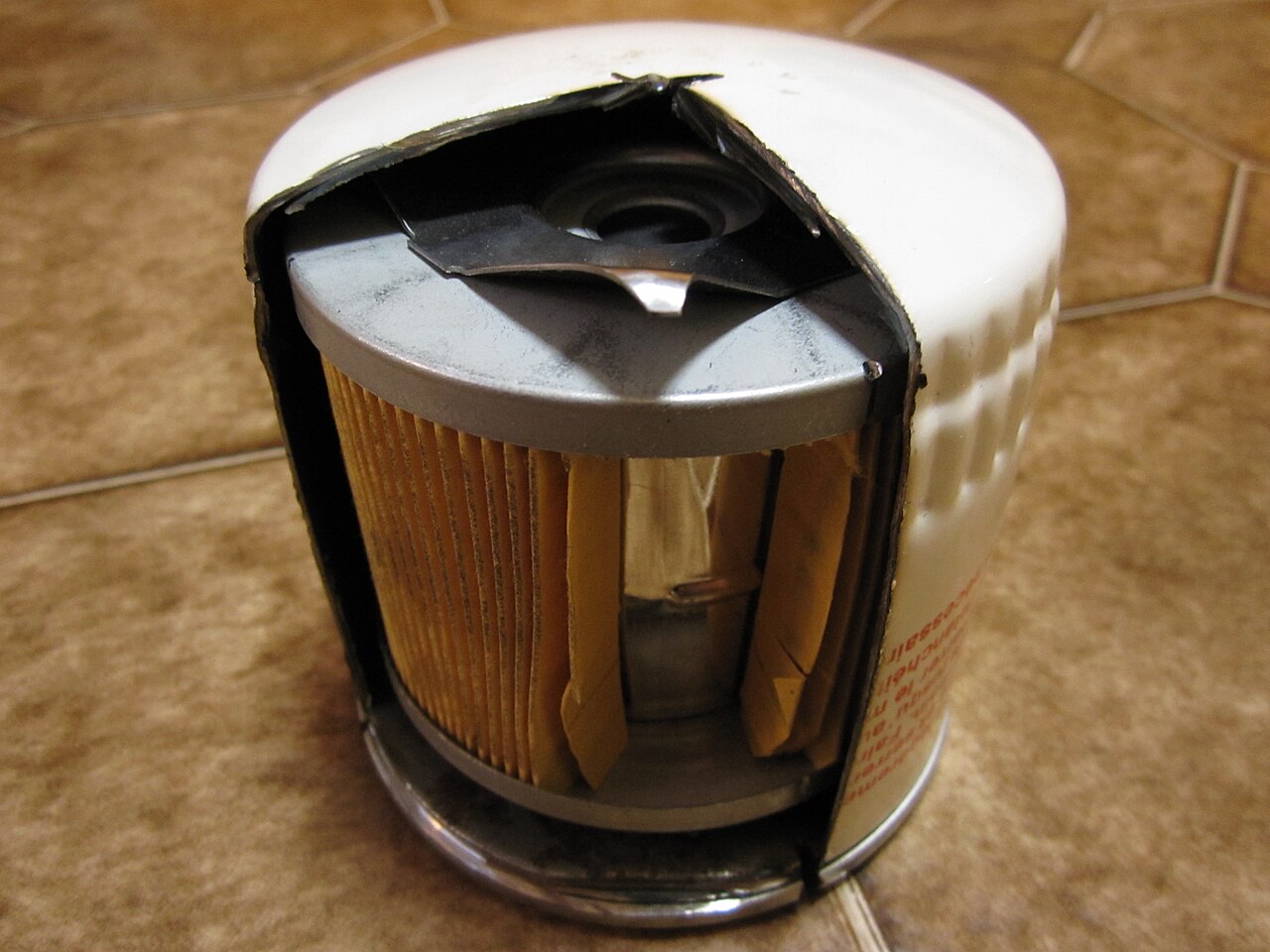
Start by checking that the replacement filter is listed for the exact engine or vehicle application. A fitment listing does not, by itself, establish the filter’s flow arrangement or bypass-valve specification; the available sources here do not provide a general method for verifying either.
Confirm the application
Use an application listing to check the replacement part against the exact engine or vehicle configuration. A year-make-model search can help narrow the options, but The Drive notes that make-and-model mismatches occur with aftermarket filters and advises double-checking fitment before ordering. The Drive: Best Oil Filters
Treat a “fits” result as evidence of listed application compatibility—not as confirmation of other filter specifications.
Flow arrangement: no universal check established here
The available sources do not establish a general procedure for checking flow direction or element orientation on replacement engine oil filters. They therefore do not support using a universal visual or fitment-based check to approve those details.
Bypass valves: distinguish a product statement from a general rule
GM’s page describes features of its own oil-filter ranges. For ACDelco Ultraguard filters, it specifies a poppet-style bypass valve “if required,” with a spring matching OEM pressure specifications. The page separately describes a nylon poppet-style bypass valve in the rear of ACDelco OE and Gold filters. These are statements about the listed GM and ACDelco products, not specifications for all replacement filters. GM Parts: Engine Oil Filters
The evidence supports checking application fitment and reporting these GM-specific bypass-valve claims. It does not establish a general acceptance procedure for verifying flow arrangement or bypass-valve requirements across engine oil filters.