A noisy liquid-service control valve may be described casually as cavitating, but vapor formation does not always end in the same way. The pressure after the restriction determines whether vapor bubbles collapse or persist into the outlet stream.
Follow the liquid through the restriction
As liquid accelerates through a throttling restriction, local pressure can fall below its vapor pressure at the operating temperature. Vapor bubbles form. The important next question is how far pressure recovers downstream.
Valmet explains the distinction: in cavitation, recovered pressure rises above vapor pressure and bubbles collapse. In flashing, downstream pressure remains below vapor pressure, so a vapor-liquid mixture continues beyond the restriction. The shared first step does not make the two services interchangeable.
| Condition | What happens after vapor forms | Design implication |
|---|---|---|
| Cavitation | Pressure recovery can collapse the bubbles | Review the pressure profile and suitable cavitation-control methods |
| Flashing | Vapor persists in the downstream mixture | Review velocity, geometry and materials for the two-phase service |
Match the remedy to the mechanism
Emerson’s flashing guidance emphasizes that flashing results from application conditions and fluid properties. A valve cannot simply prevent the phase change when the required downstream condition remains below vapor pressure. Appropriate geometry and materials can help manage damage.
That is a different promise from preventing or reducing cavitation through a suitable pressure-drop strategy. Do not assume a trim marketed for cavitation control will eliminate flashing in a process whose outlet conditions require vapor to remain present.
Give the supplier an operating range
Provide fluid composition, temperature, inlet and outlet pressures and the expected flow range. Identify whether the data are measured at the relevant locations and whether transient conditions differ from the normal duty. Vapor pressure must correspond to the fluid and temperature being assessed.
Ask the supplier to explain the predicted regime across that range, the proposed damage-management approach and any limitations. Include outlet piping in the review, since a valve body is only one part of the path taken by a high-velocity two-phase stream.
Noise and visible damage can support an investigation, but neither replaces the pressure and fluid data. Record the observed condition without assigning a mechanism prematurely.
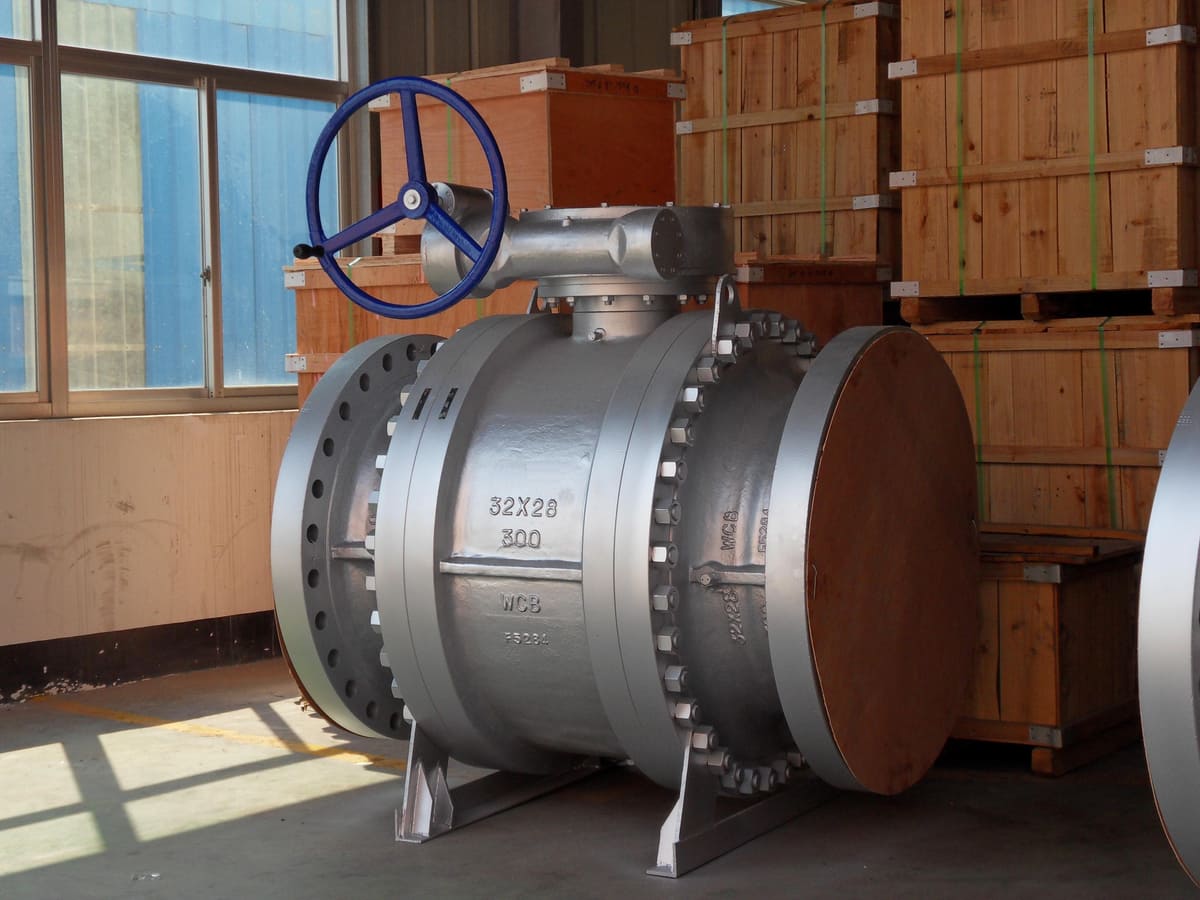
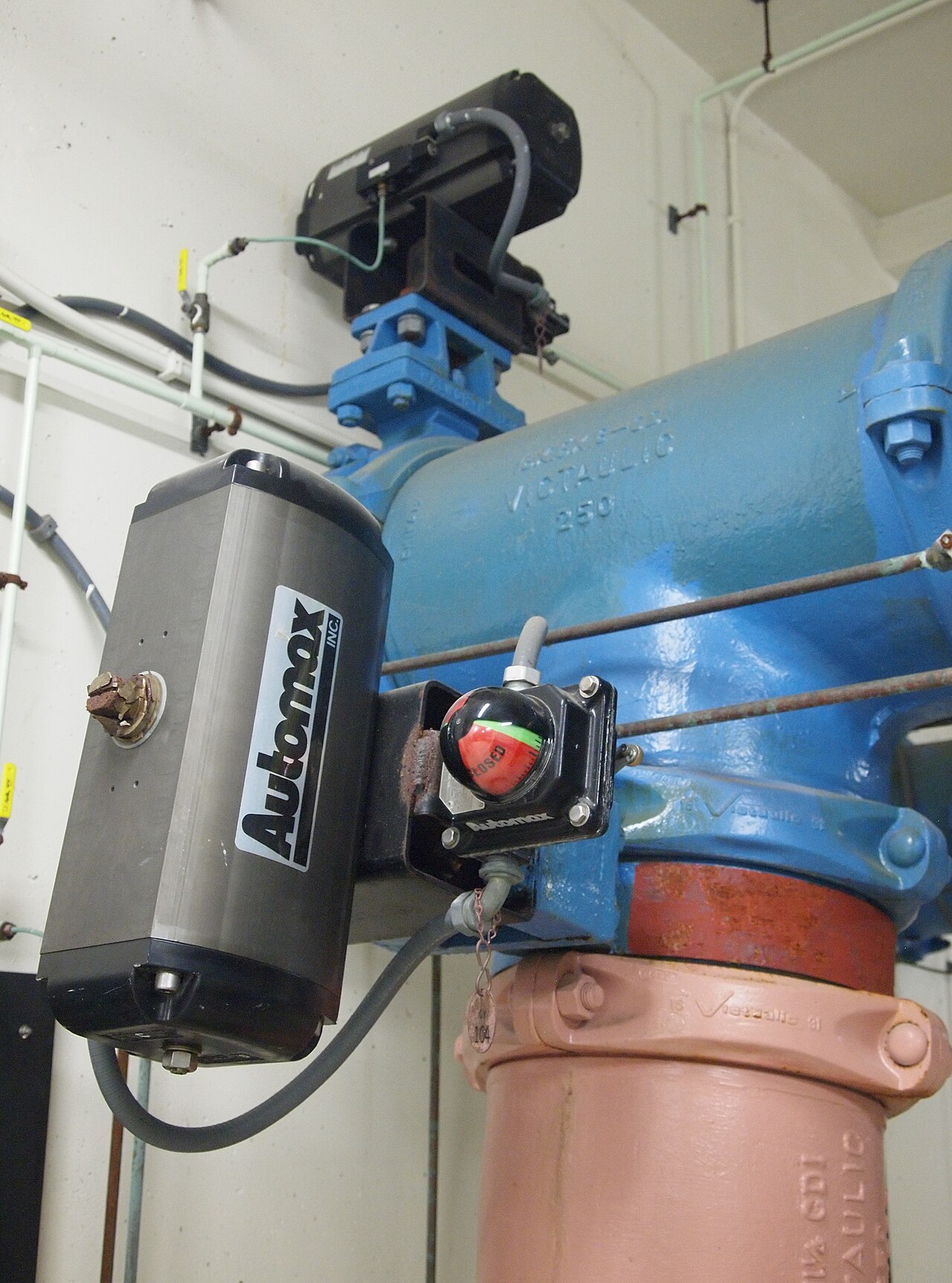
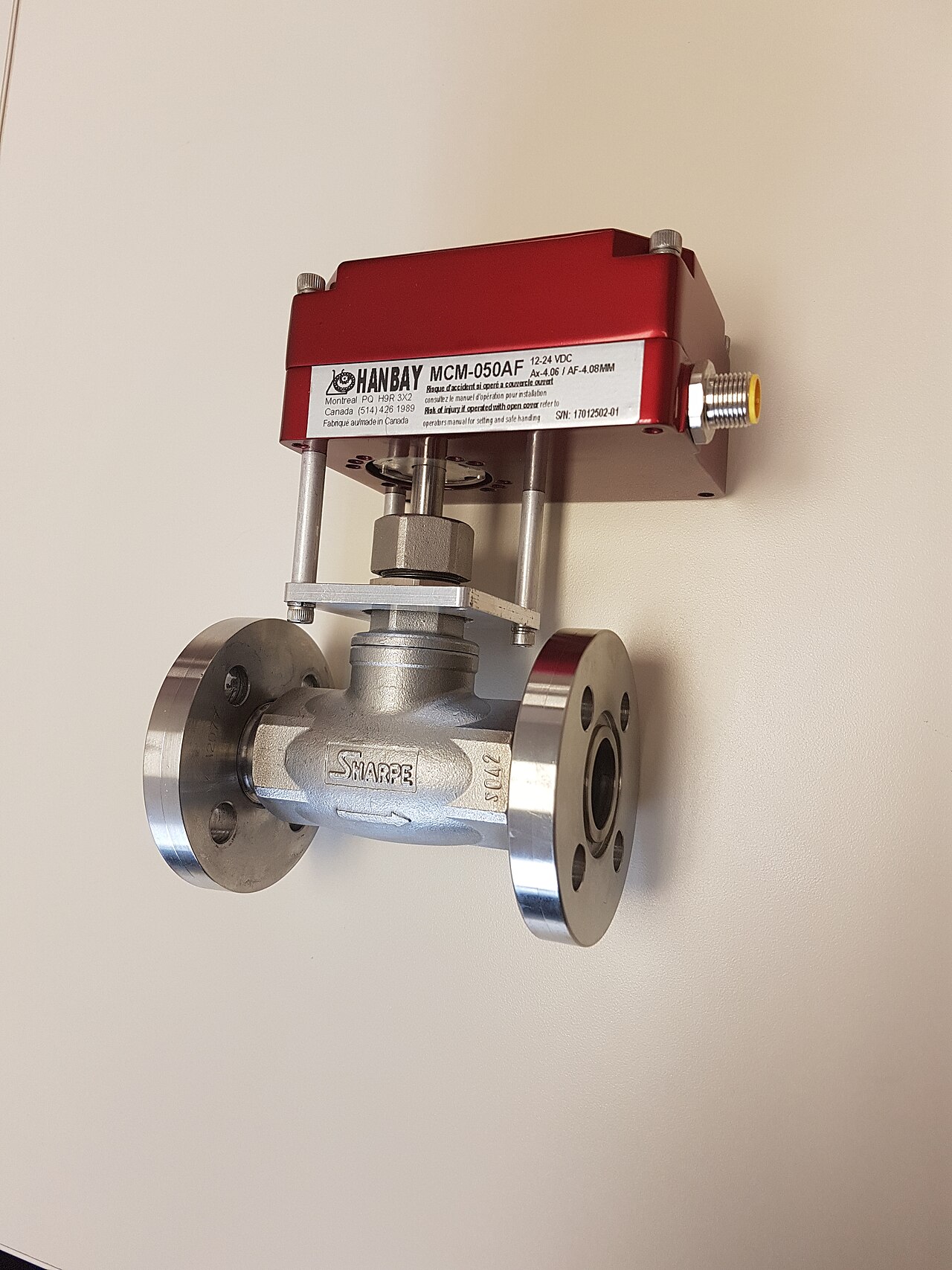
The cover shows an actuated valve assembly for context. It is not a photographed example of either cavitation or flashing damage, and it does not establish suitability for severe service.
Further reading
Emerson - Control-valve flashing ↗
Valmet - Flashing and cavitation: ask the flow-control expert ↗