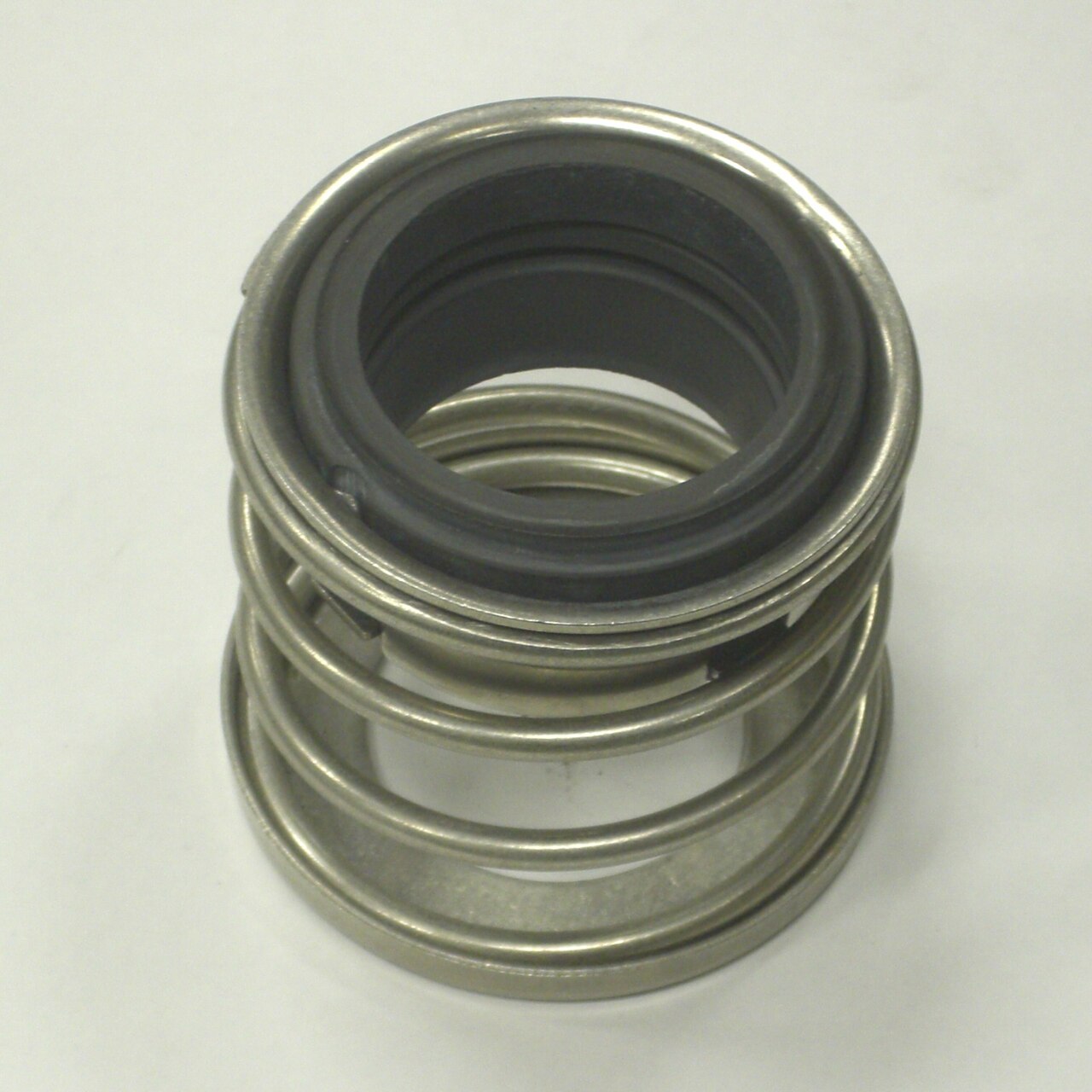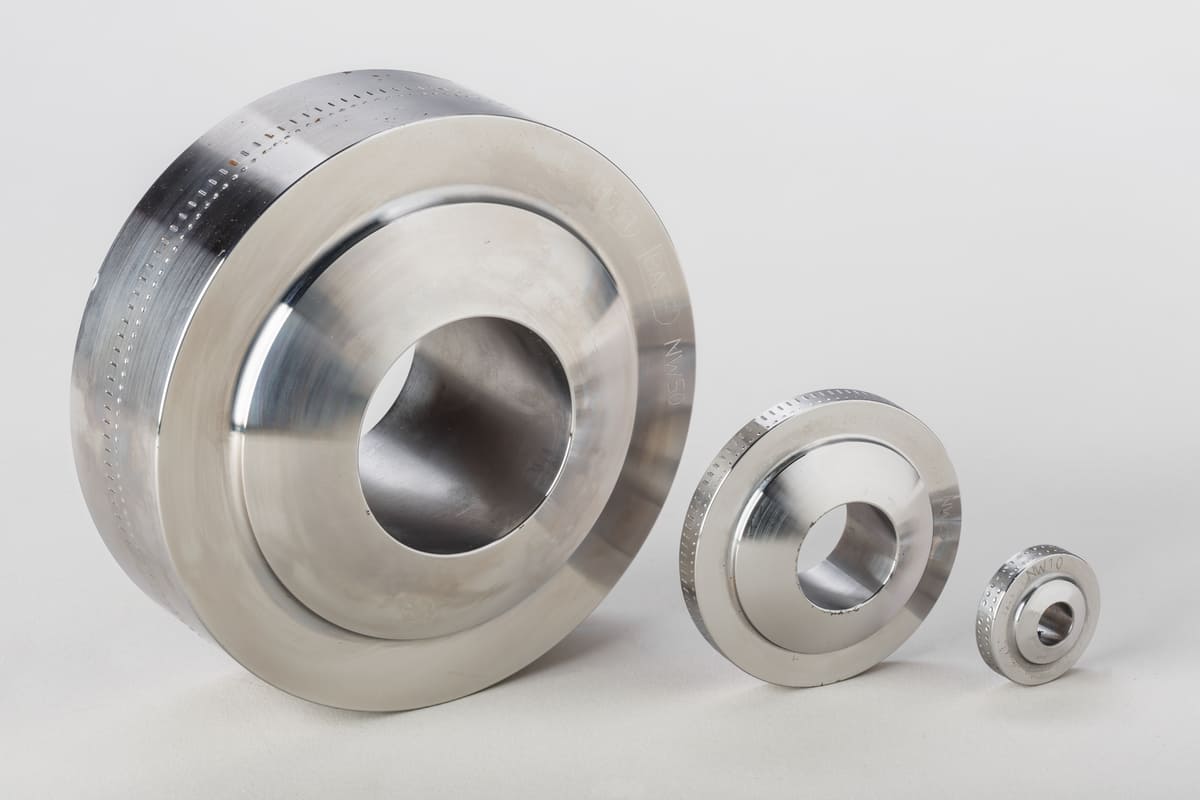
A gasket found in a maintenance store needs more than an apparently intact outline before it is released for use. Its exact construction, storage history and the manufacturer’s applicable guidance determine what an age statement actually means.
Avoid one expiry rule for the whole shelf
Garlock’s January 2019 metallic-gasket statement distinguishes constructions, including differences associated with bonded facing materials and certain fillers. It ties its statements to ideal storage conditions. A generic label such as metal gasket can therefore hide information relevant to the release decision.
Trelleborg’s FlatSeal guidance likewise differentiates product families and addresses storage conditions. Its recommendations include protection from heat, unsuitable light exposure and deformation, with particular attention to rubber-containing materials.
These documents illustrate why the manufacturer and product matter. They are not a current shelf-life warranty for another supplier’s gasket. Obtain the applicable guidance for the exact part being issued.
Make the stores record useful
Keep the manufacturer, part identification, material or construction, batch and relevant date information with the original packaging where possible. Record the basis of any storage expiry or review date. A purchasing date is not automatically the manufacturing date.
Use the stock system to identify which guidance applies to each family. If a part’s identity or storage history is uncertain, hold it for a documented supplier review rather than assigning it the longest life found in a general table.
Inspect for handling damage as well as age
A part can be within its stated storage period and still be unsuitable after bending, contamination or damage to its sealing surfaces. Conversely, a broad age limit copied from another material may lead to an unsupported disposal decision.
Before issue, check the condition against the manufacturer’s criteria and verify that the part still matches the equipment specification. Questions about cleaning, flattening or reconditioning belong with the supplier; do not assume a damaged sealing surface can be restored by an improvised treatment.
The stores process should produce a traceable release decision: this identified part, stored under these known conditions, checked against this applicable requirement. That is stronger evidence than either appearance alone or a single expiry rule applied to every gasket in the cabinet.
Further reading
Garlock - Metallic-gasket storage and shelf-life statement, January 2019 ↗
Trelleborg - FlatSeal Guide 8, shelf life of sealing materials ↗