From droplets to powder
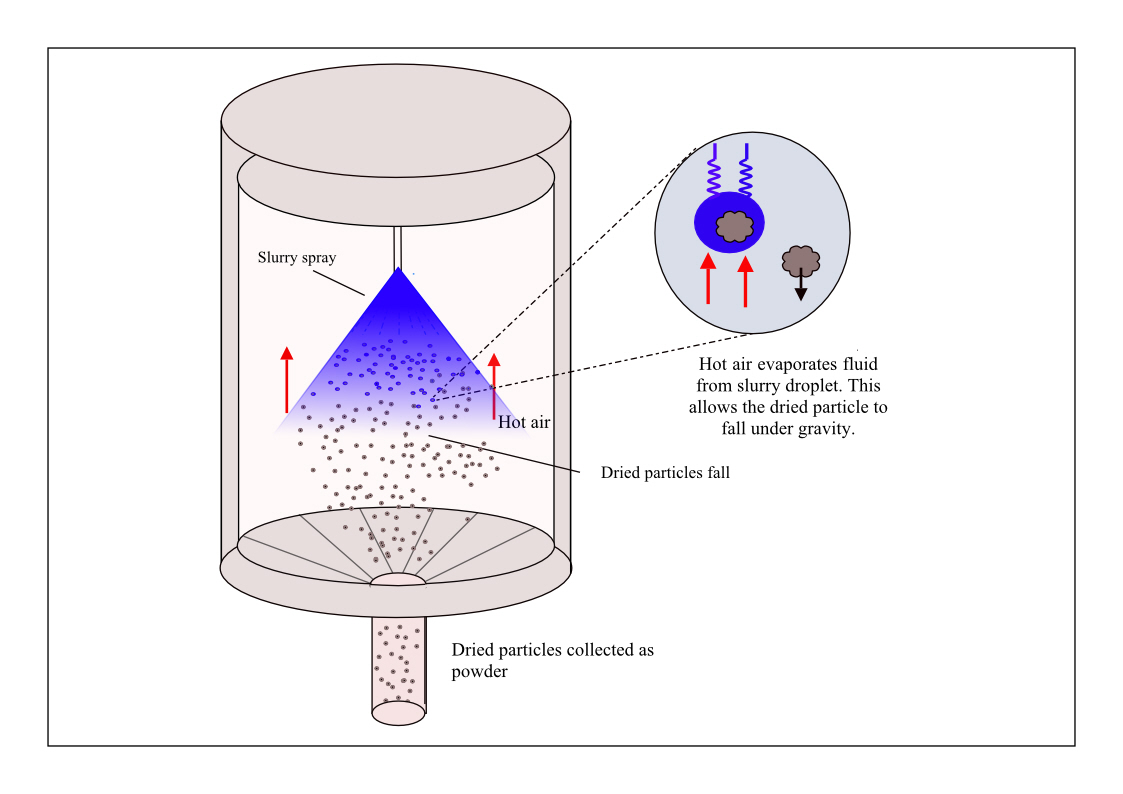
Spray drying begins by turning liquid feed into droplets. Selecting the atomization system requires a common view of feed behavior, particle requirements and the drying process.
Spray drying begins by turning liquid feed into droplets. Selecting the atomization system requires a common view of feed behavior, particle requirements and the drying process.
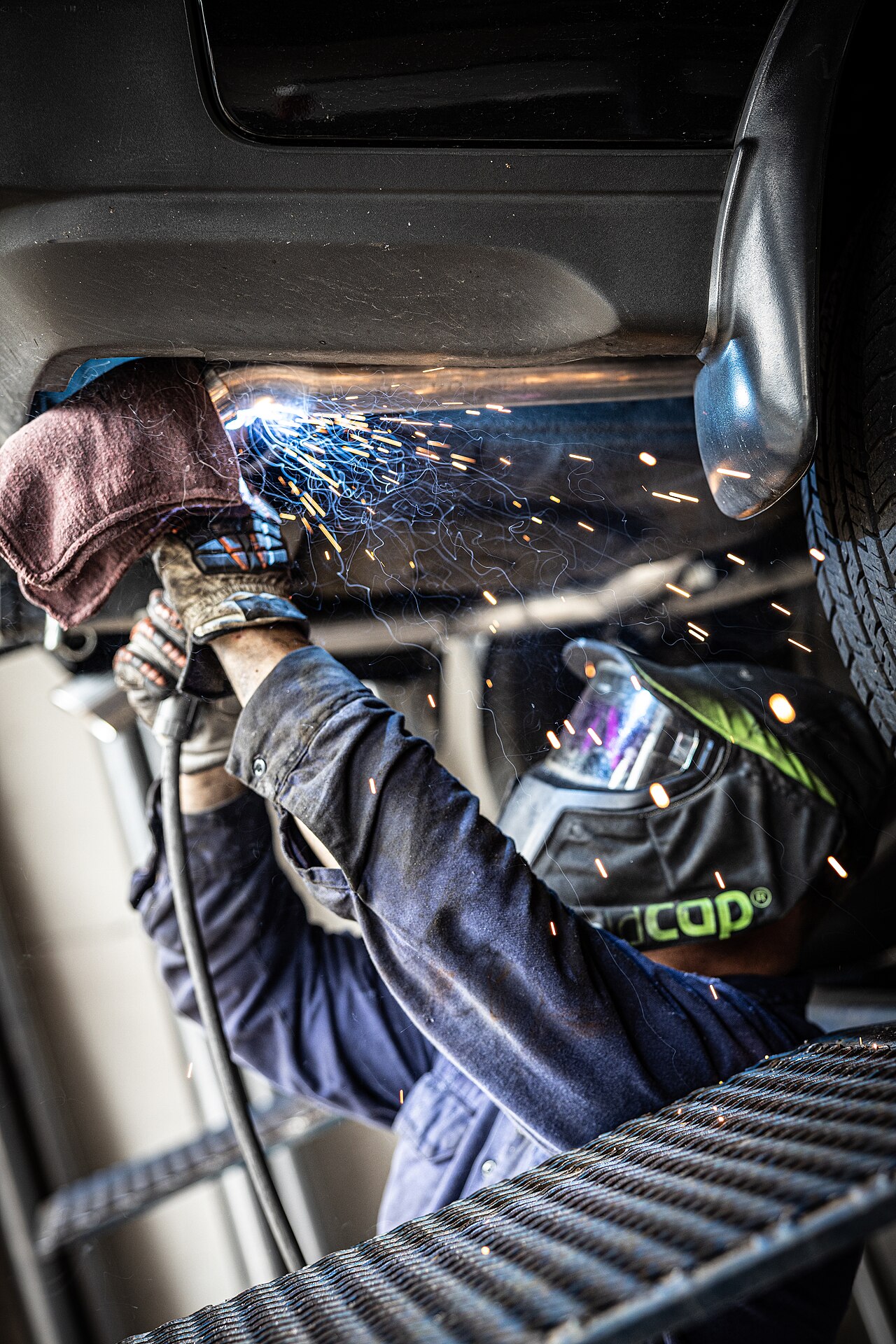
Poor shielding can cause porosity, but turning up the flowmeter is only one possible response. Leaks, drafts, nozzle condition and contamination need separate checks.
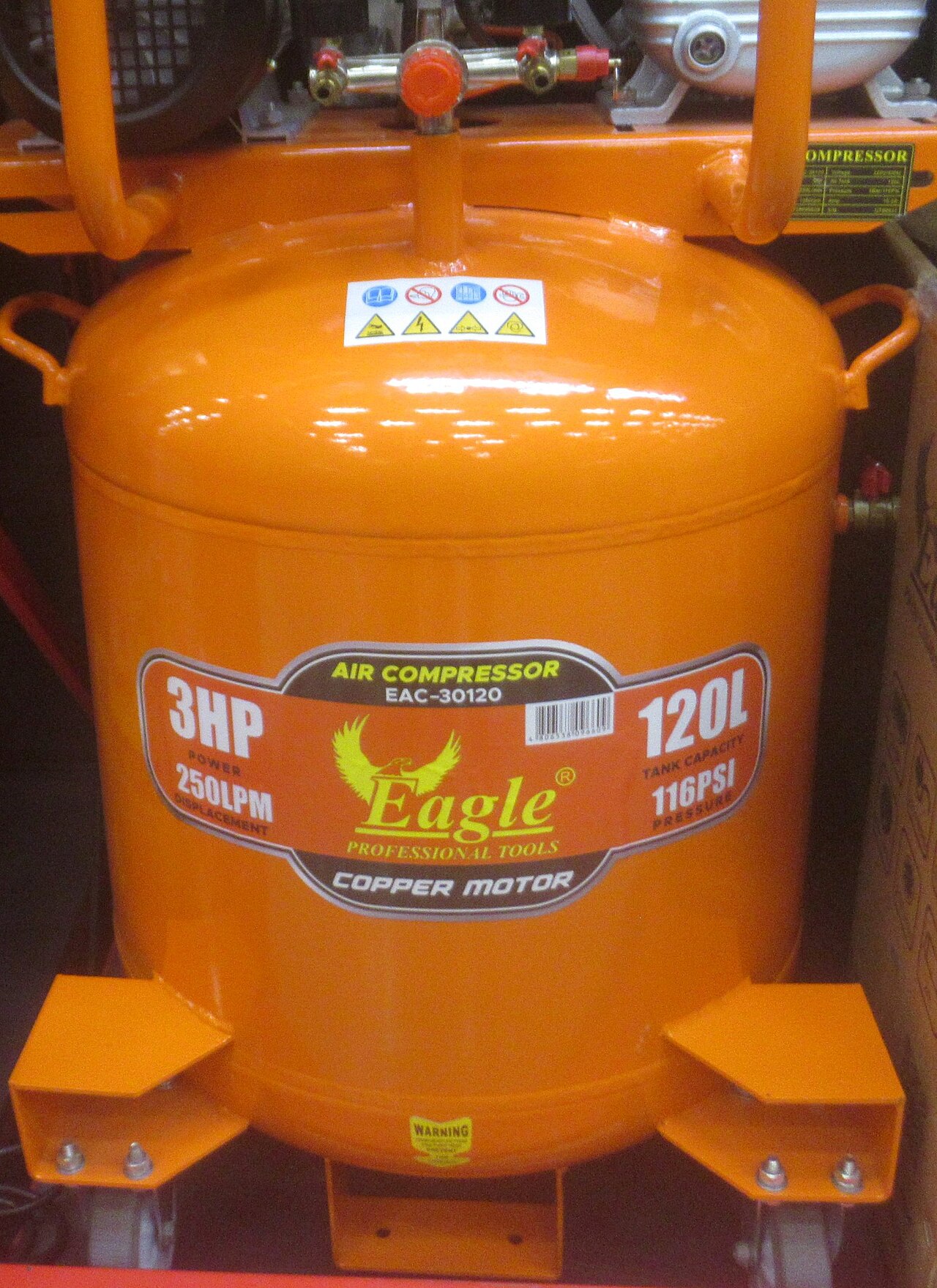
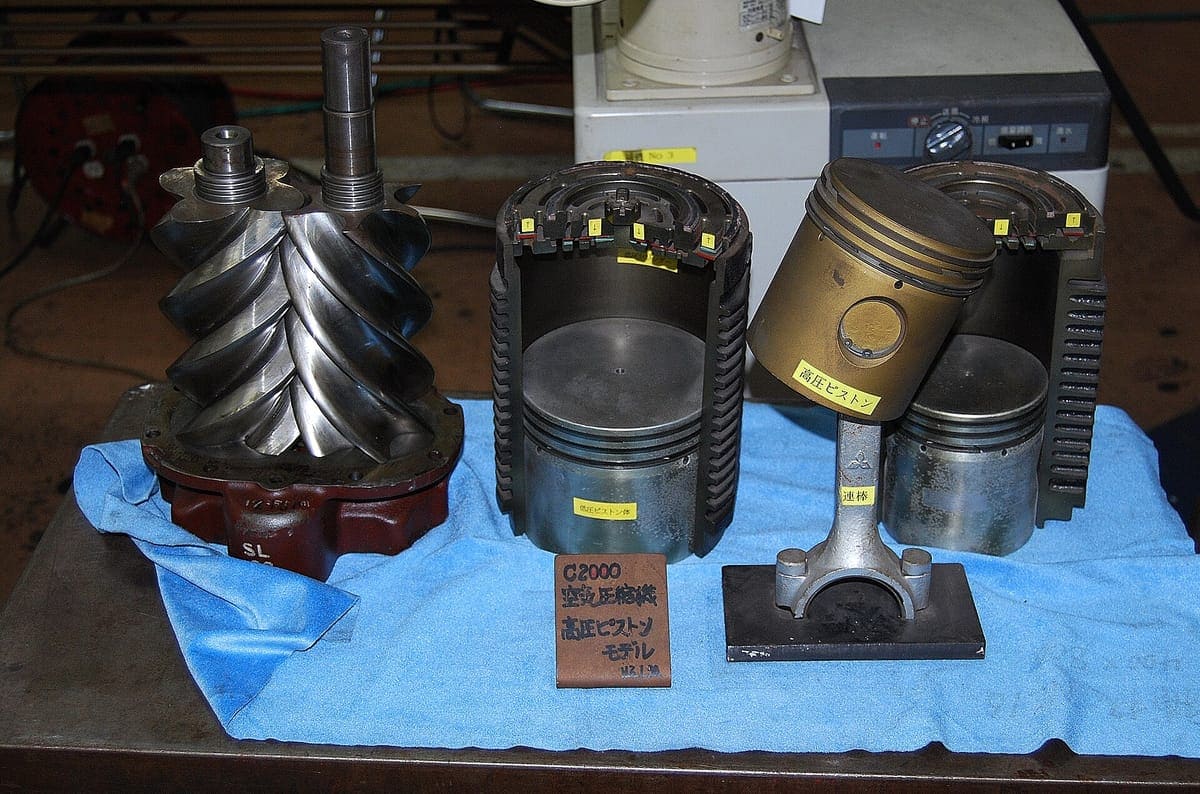
A receiver can buffer a short demand peak. It cannot supply an ongoing air deficit indefinitely, and its position changes which restrictions sit between storage and the user.
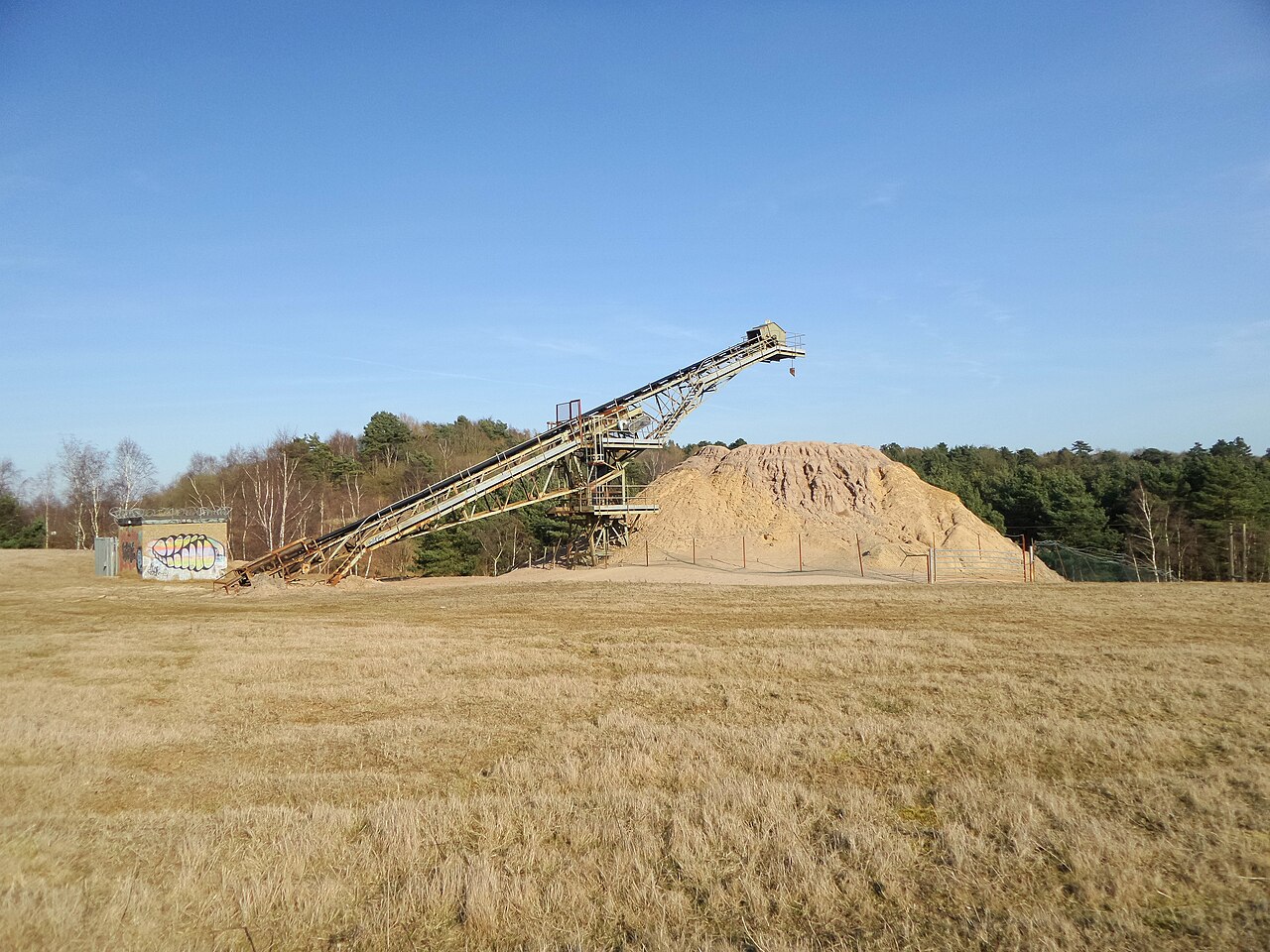
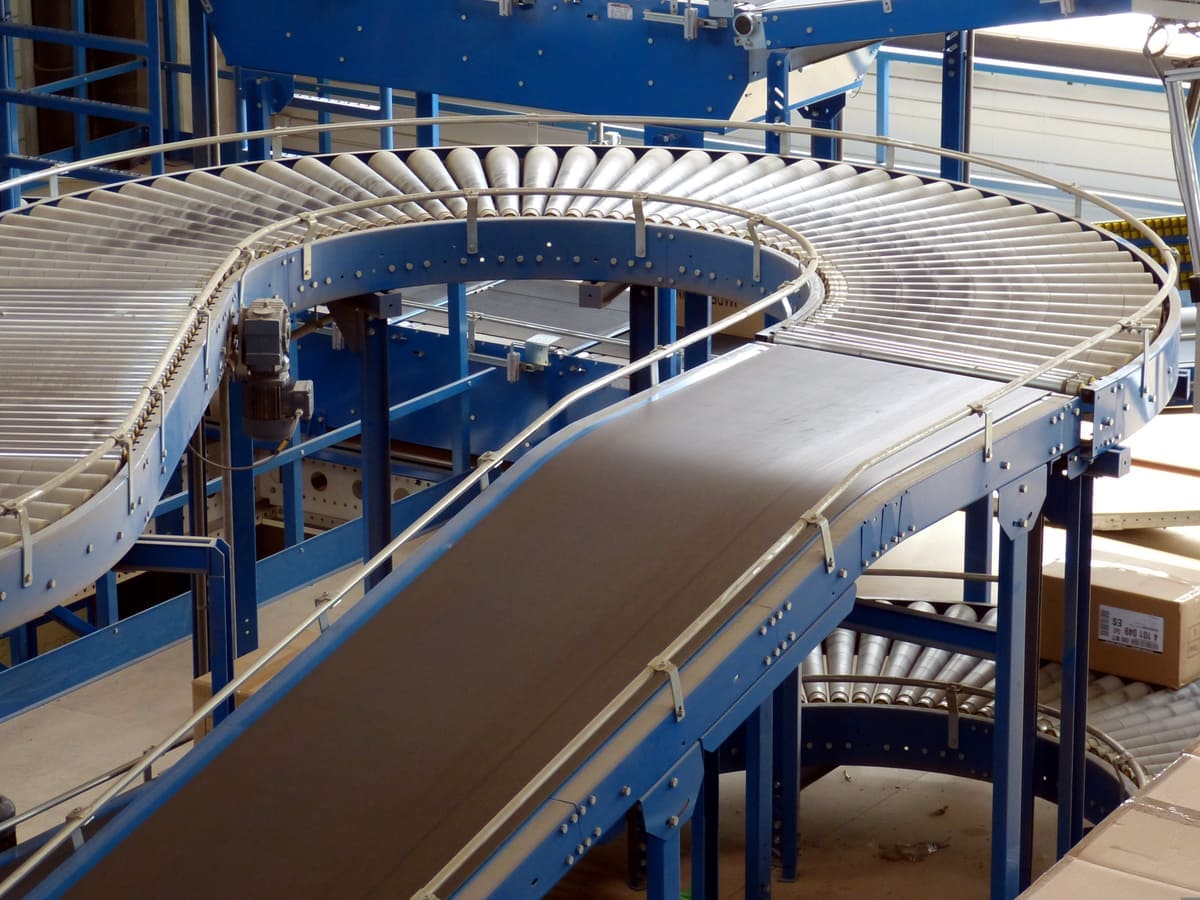
A belt that drifts only under load gives different evidence from one that moves sideways once per revolution. Record the pattern before changing the conveyor geometry.
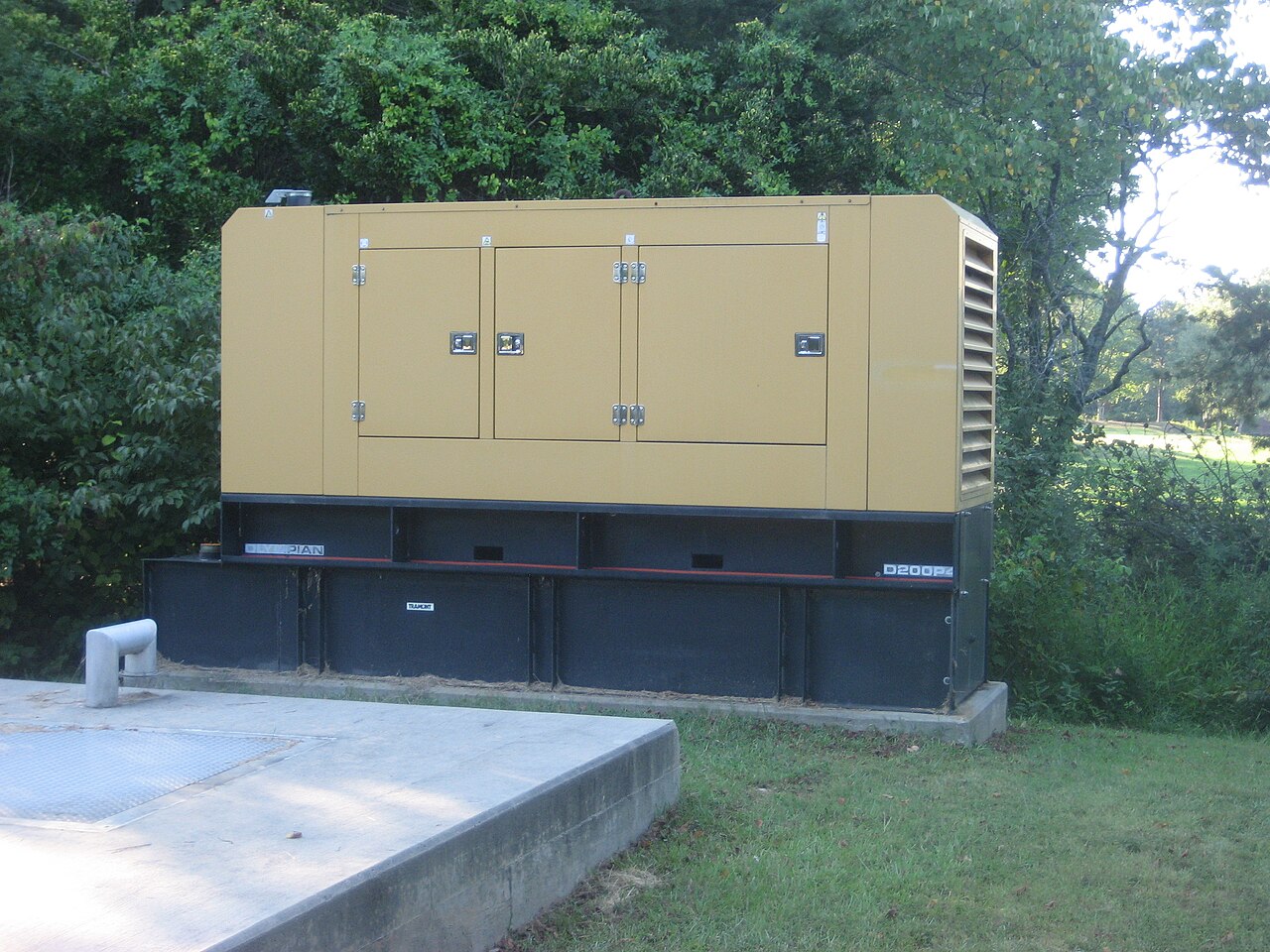
An automatic transfer switch connects a load to an available source. A UPS provides a different function: supporting selected loads through a disturbance for a defined period.
Defrost initiation, termination and the return to cooling are separate control decisions. An iced evaporator needs a review of the whole sequence as well as moisture entering the room.
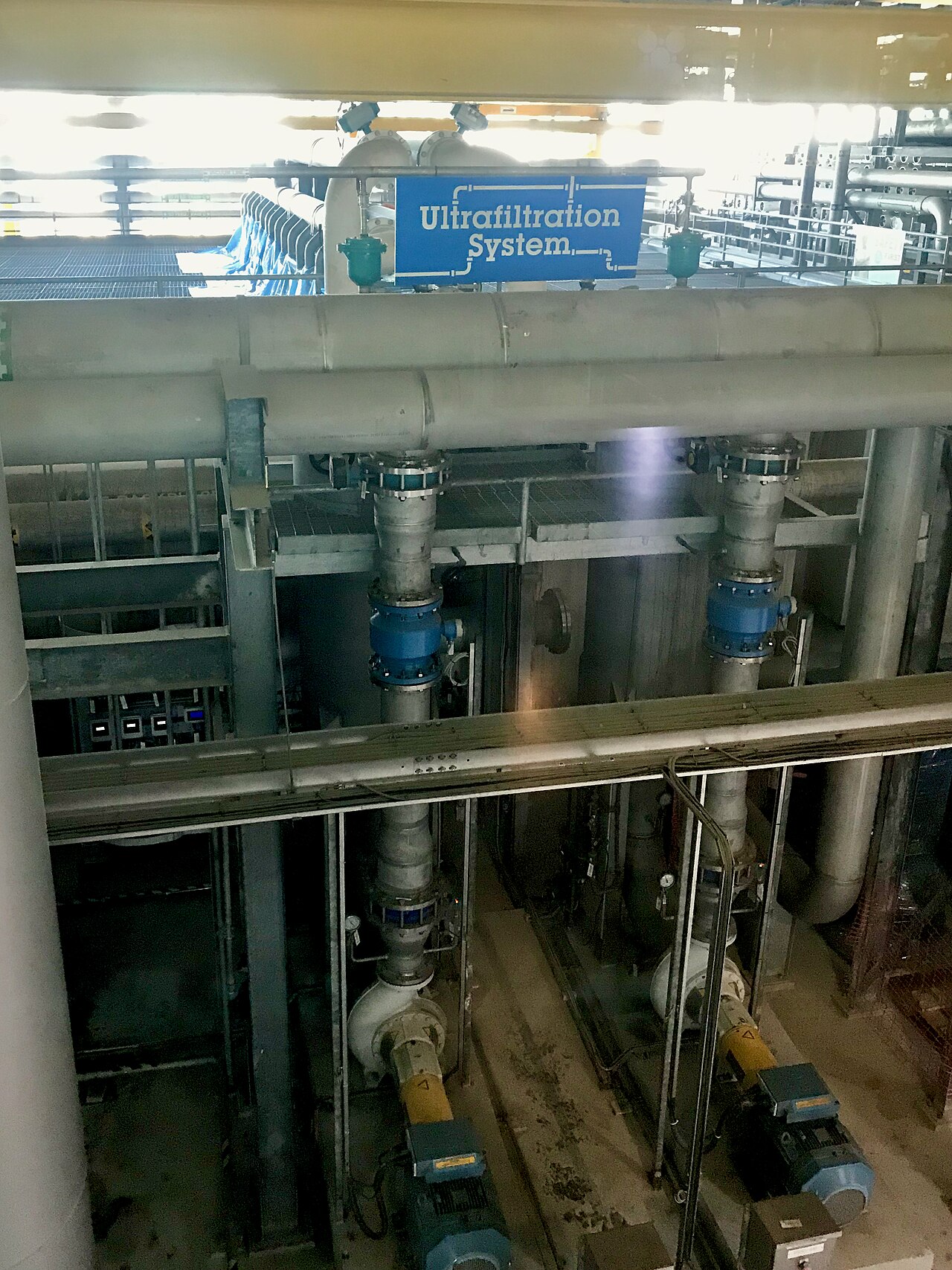
A clear ultrafiltration permeate can still carry dissolved species that matter to reverse osmosis. Separate the particle barrier from the chemistry of the downstream system.
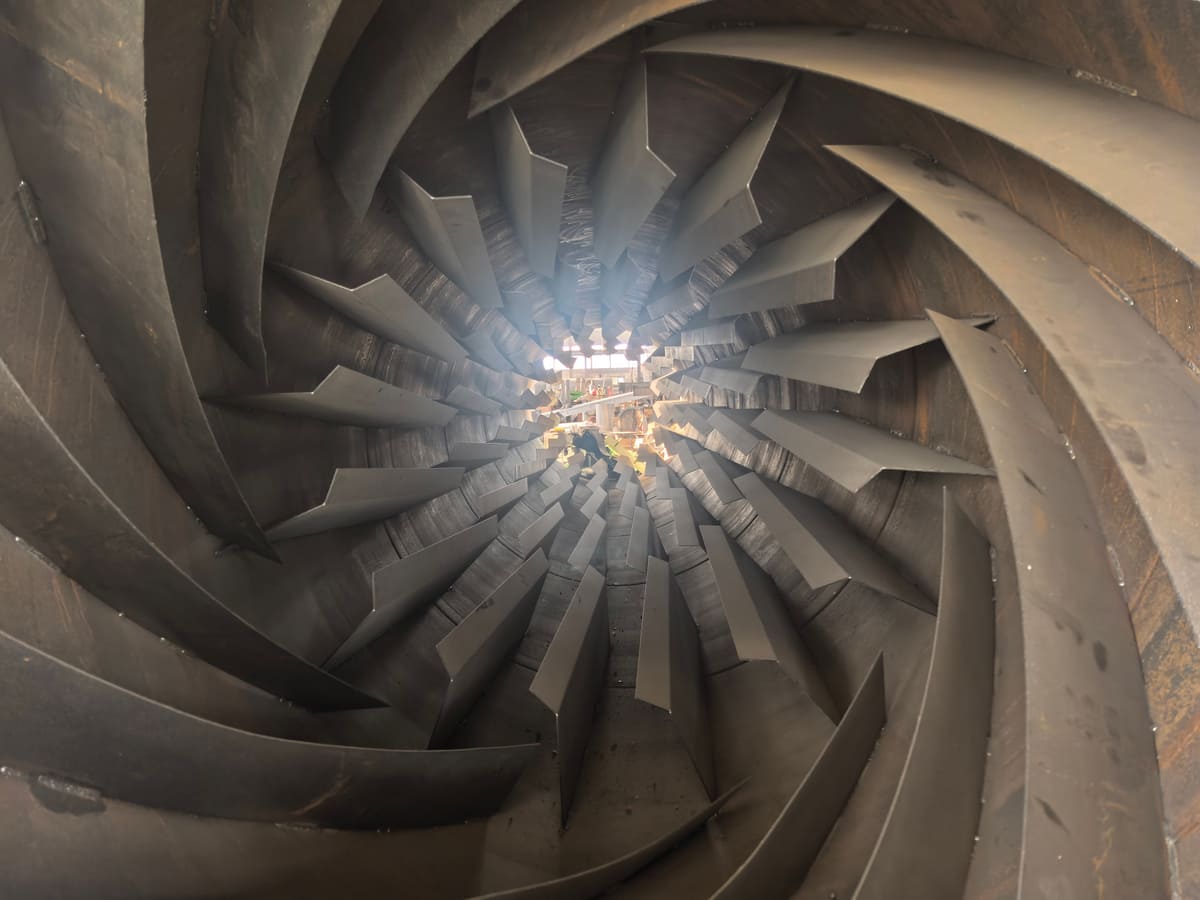
Gas-flow direction changes where a material encounters the hottest drying gas, affecting product-temperature control and the thermal trade-offs in a direct rotary dryer.
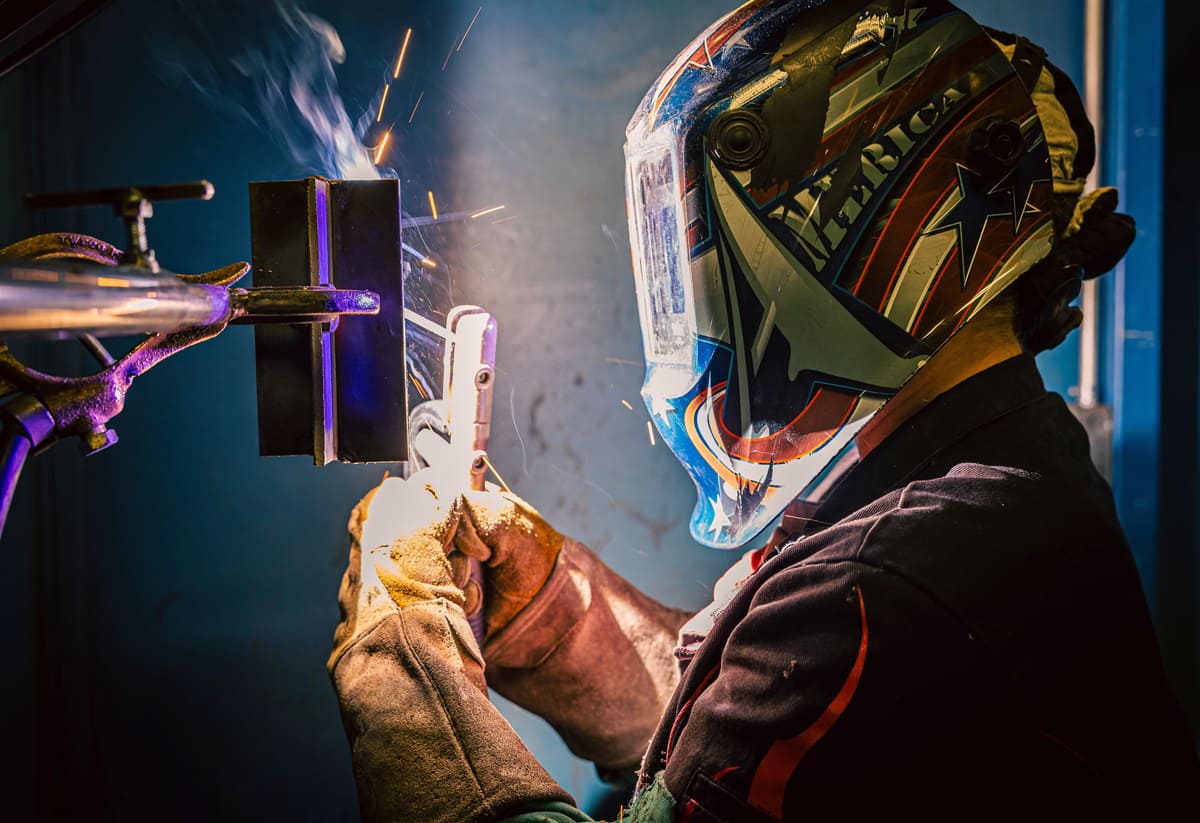
Welding current, duty cycle, ambient conditions and torch capacity must be read together when matching an arc-welding system to a production job.
A compressor’s available waste heat becomes a useful energy saving only when its temperature, timing and location match a real heating demand.
Persistent carryback can reflect cleaner selection, installation geometry, belt condition or missing secondary cleaning, rather than insufficient blade pressure alone.
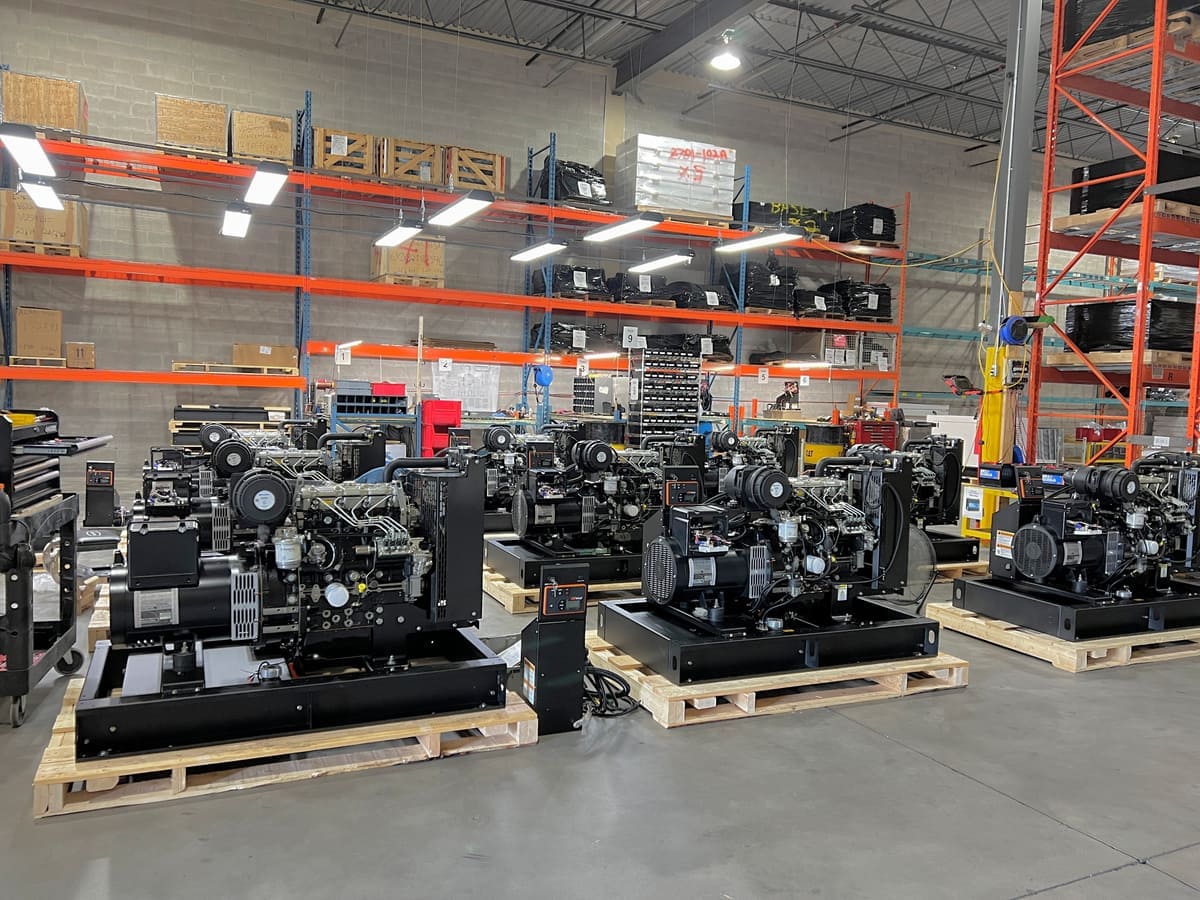
Caterpillar’s October 2026 guidance on remote telecom power highlights dispatch and generator operating hours as central questions in a solar–battery–diesel system.